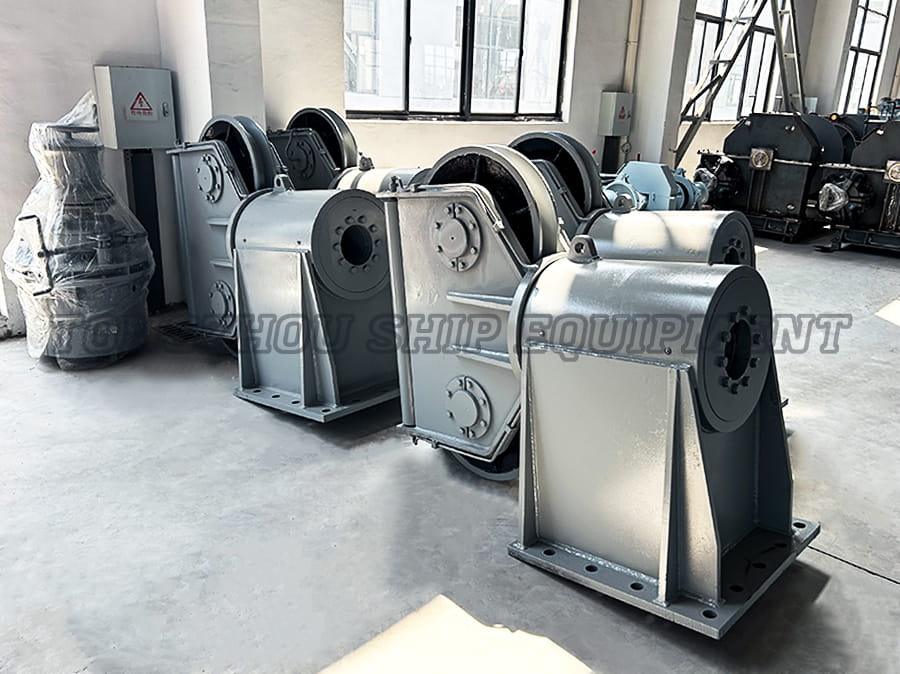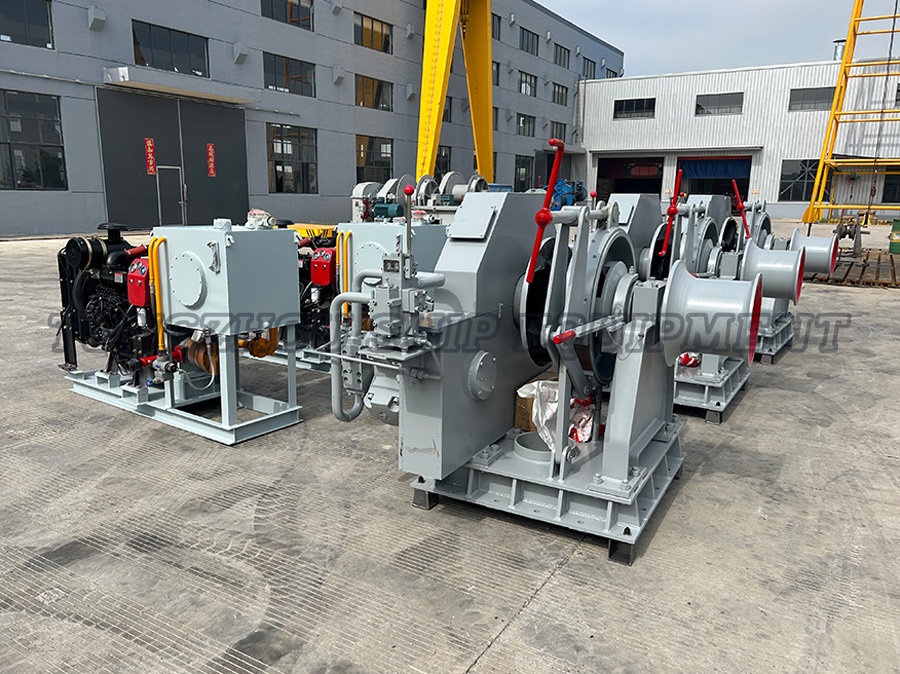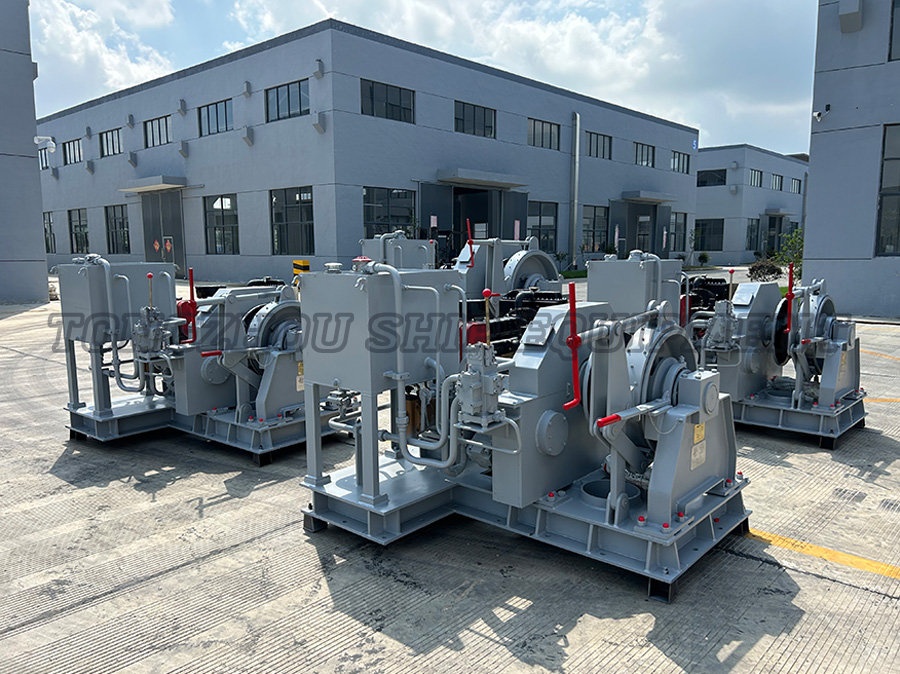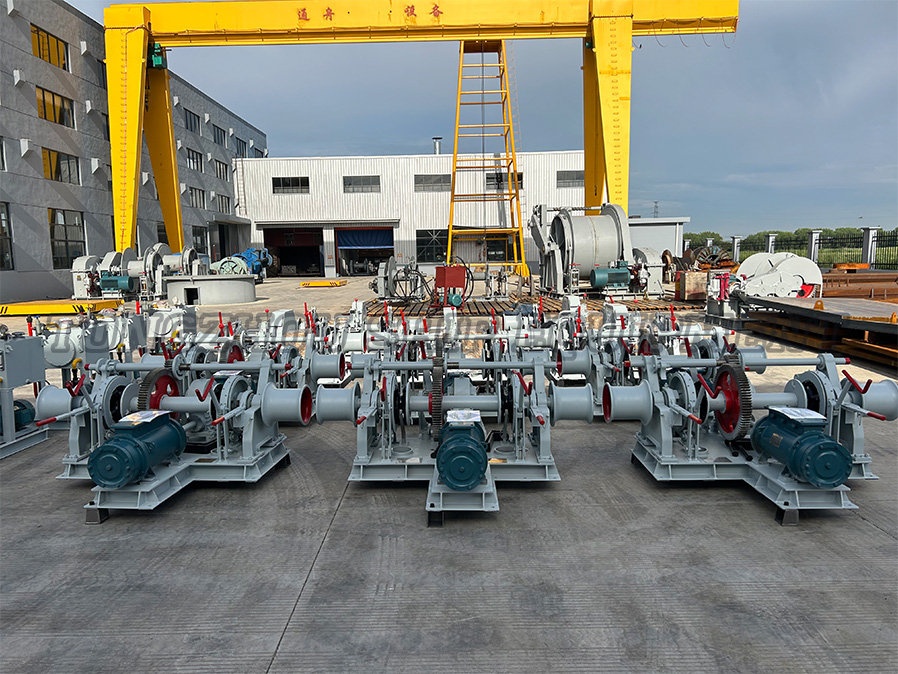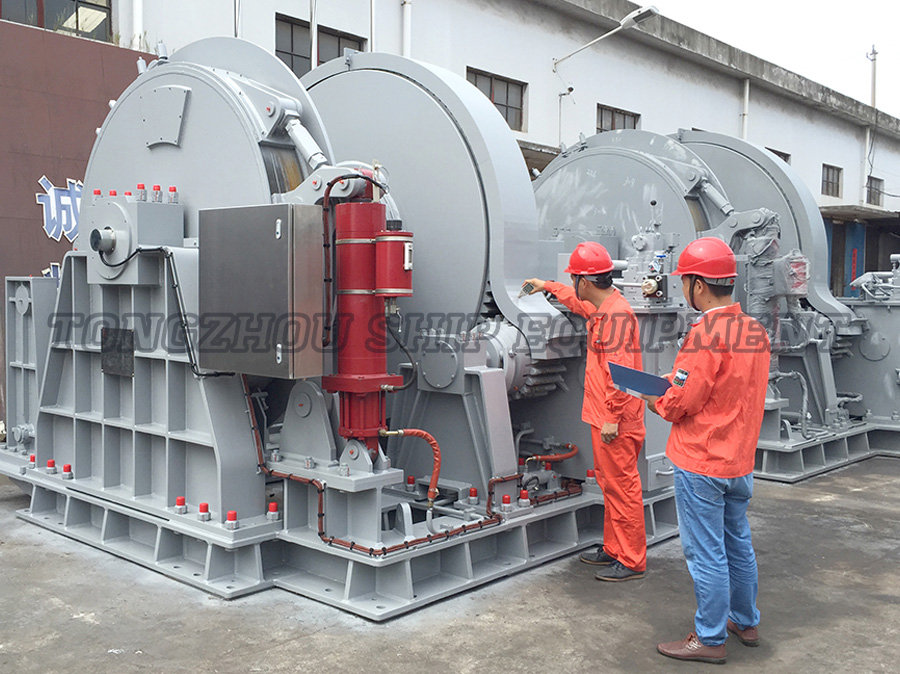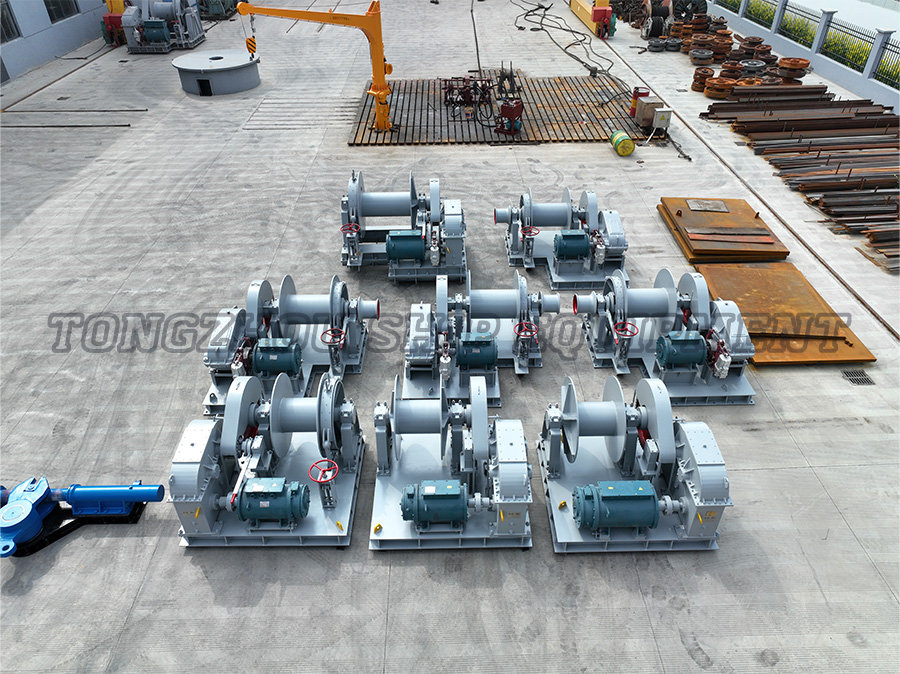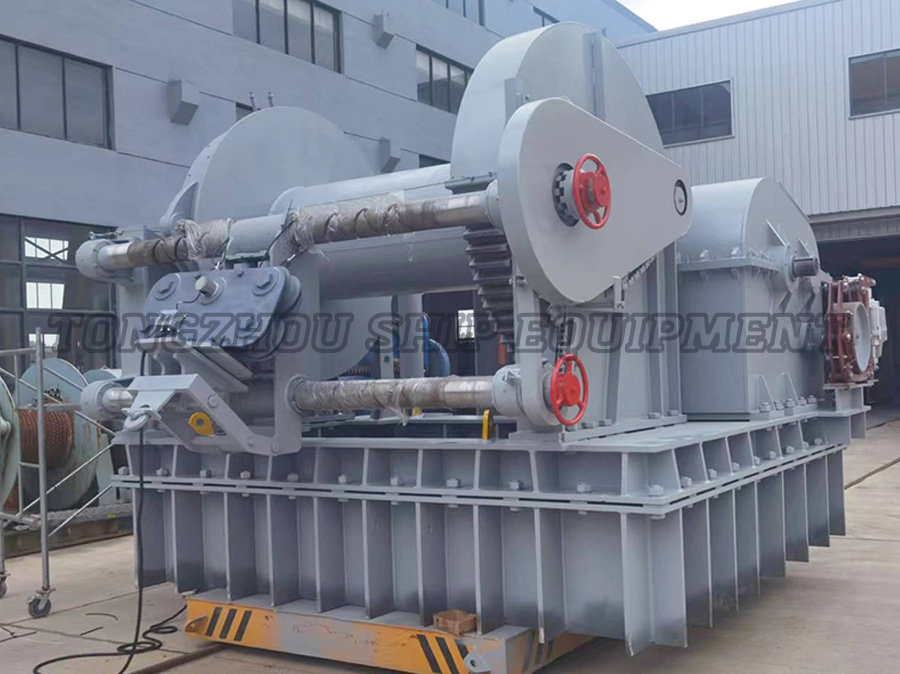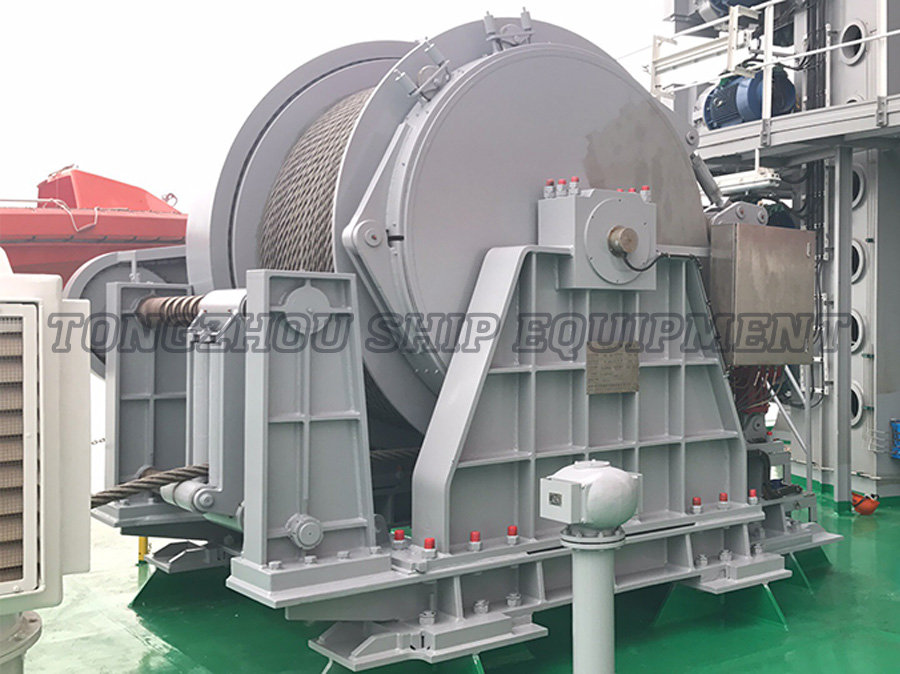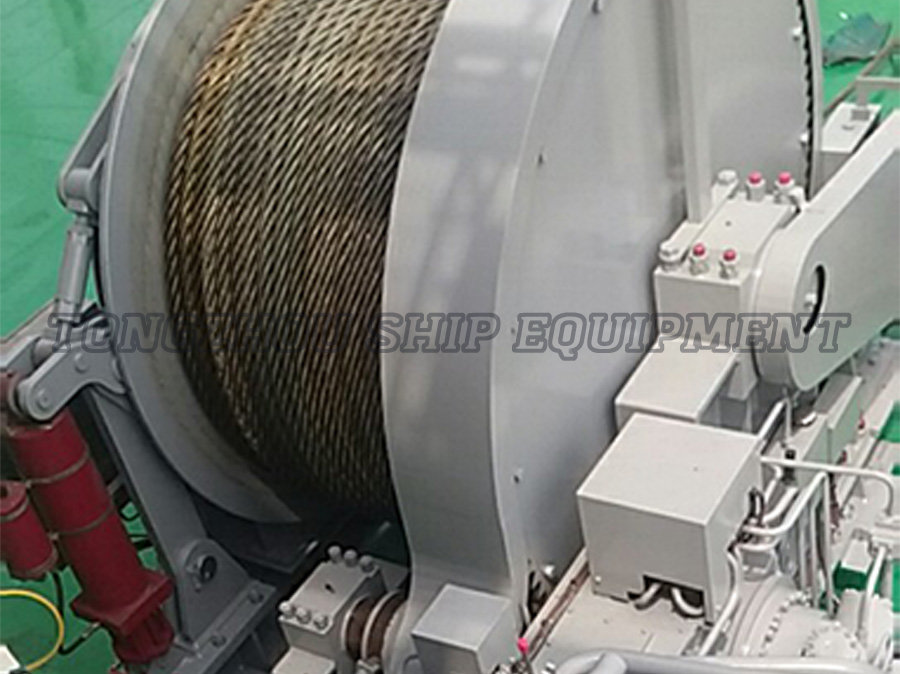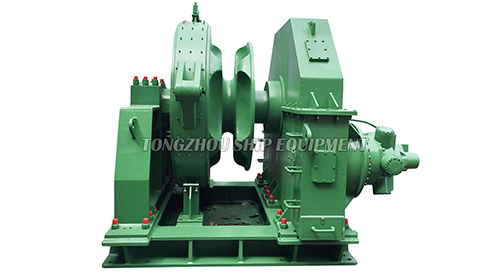
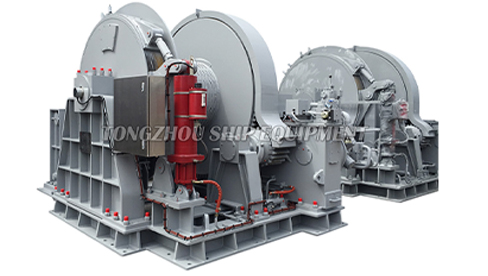
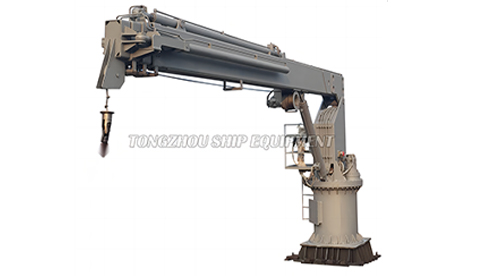
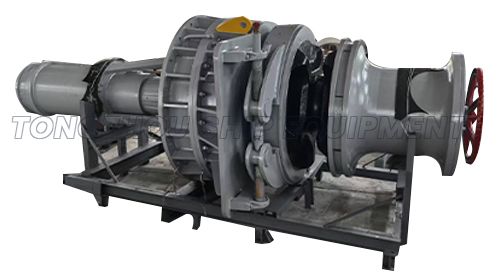


A hidraulično sidreno vitlo je najbolji izbor za teško pomorsko sidrenje jer pruža neusporedivu vučnu snagu, gladak rad i pouzdanu izvedbu pod uvjetima ekstremnog opterećenja — što ga čini preferiranim sustavom za komercijalna plovila, superjahte i radne brodove na moru. Za razliku od električnih ili ručnih alternativa, hidraulički sustavi koriste tekućinu pod pritiskom za stvaranje sile, što im omogućuje da s lakoćom rukuju sidrenim lancima promjera većeg od 100 mm.
Bilo da opremate veliku ribarsku koćaricu, luksuznu motornu jahtu ili opskrbni brod na moru, shvatite kako hidraulično vitlo radi — i kako odabrati ono pravo — može vam uštedjeti značajno vrijeme, troškove i operativni rizik na moru.
Kako radi hidraulično sidreno vitlo?
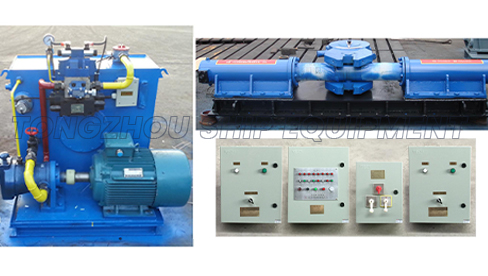
A hidraulično sidreno vitlo radi pretvaranjem hidrauličkog tlaka iz ugrađene hidrauličke pogonske jedinice (HPU) u rotacijsku mehaničku silu na divljem ili ciganskom bubnju. Osnovne komponente rade zajedno na sljedeći način:
- Hidraulička pogonska jedinica (HPU): Namjenska pumpa, spremnik i sklop kontrolnog ventila koji generira i regulira tlak tekućine — obično između 150 i 300 bara za primjene na brodskim vitlima.
- Hidraulički motor: Pretvara tlak tekućine u rotacijski moment. Motori velike zapremine dopuštaju vrlo velika vučna opterećenja pri relativno malim brzinama osovine, što je idealno za vuču lancem.
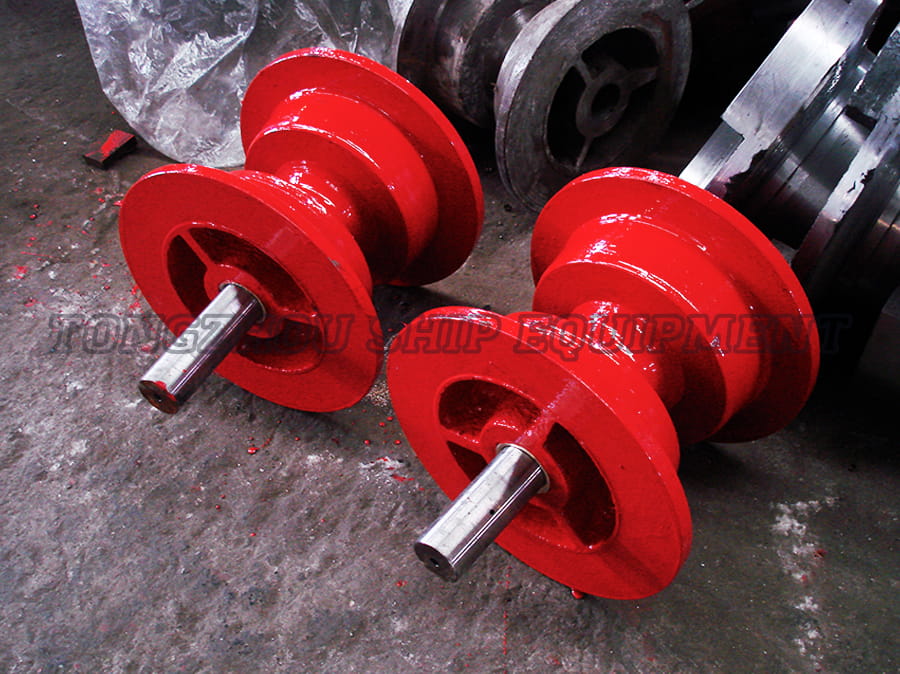
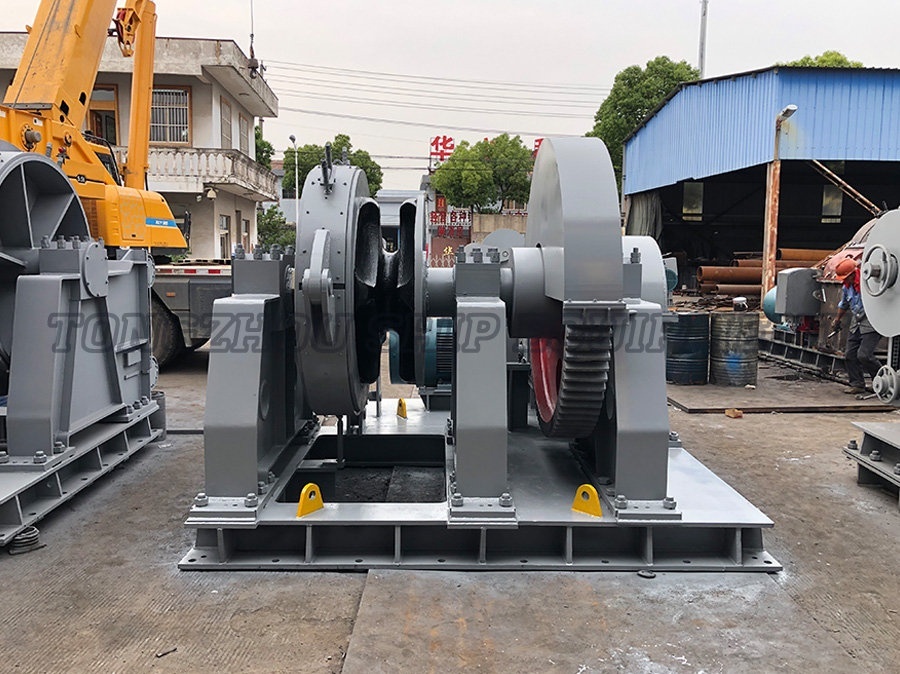
- Divlja mačka (lančani kotač): Posebno oblikovan bubanj koji zahvaća karike lanca sidra za precizno podizanje ili spuštanje sidra.
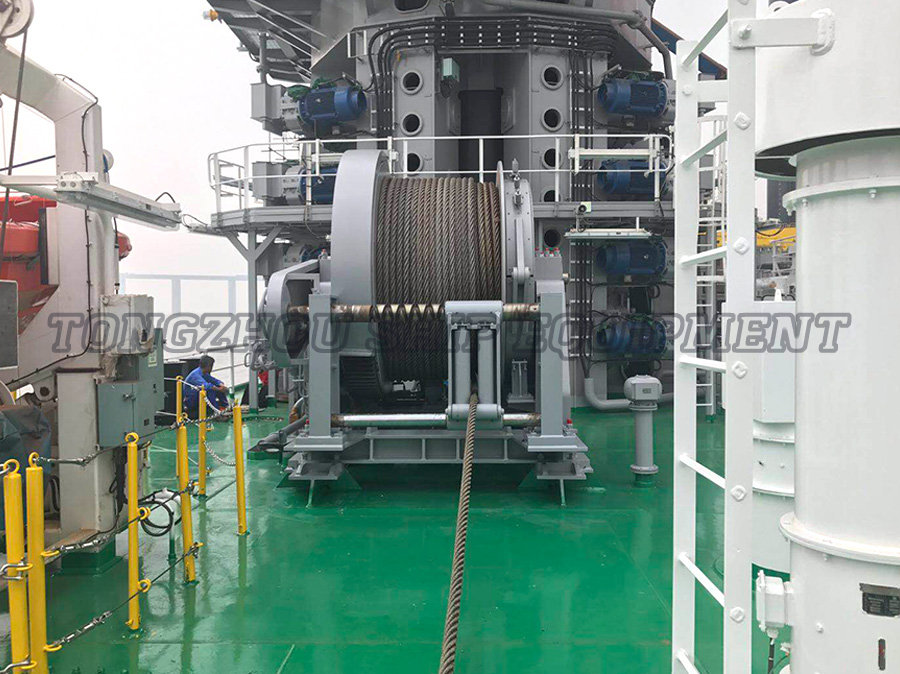
- Bubanj za savijanje: Često integriran u vitlo za rukovanje konopom za privez.
- Zaustavljač/kočnica lanca: Osigurava lanac pod opterećenjem kada vitlo nije aktivno, sprječavajući klizenje.
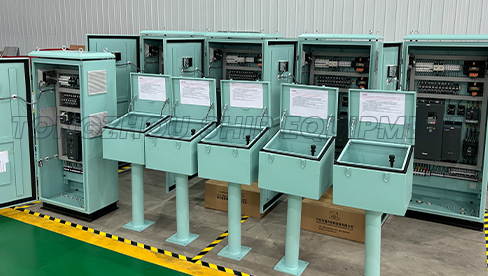
- Kontrolni sustav: Može biti ručna poluga, daljinski privjesak ili potpuno integrirana kontrola mosta s nadzorom opterećenja.
Kada operater aktivira kontrolu, hidraulička tekućina pod pritiskom teče do motora, koji pokreće divlju mačku, zahvaćajući lanac. Brzina i okretni moment reguliraju se podešavanjem brzine protoka kroz ventile za upravljanje smjerom — dajući operateru preciznu naredbu nad postavljanjem i izvlačenjem sidra.
Vrste dizajna hidrauličkih sidrenih vitla
Ne sve hidraulično sidreno vitloes građeni su isto. Svaka četiri primarne konfiguracije odgovara različitim vrstama brodova i operativnim profilima.
1. Horizontalno hidrauličko vitlo
Horizontalni raspored postavlja osovinu paralelno s platformom, s divljom mačkom i bubnjem za savijanje s obje strane kućišta motora. Ovaj dizajn se široko koristi na komercijalnim brodovima i jahtama srednje veličine jer smanjuje dubinu ugradnje ispod palube. Posebno je prikladan za plovila gdje je prostor na palubi izdašan, ali prostor ispod palube ograničen.
2. Vertikalno hidraulično vitlo
U okomitoj konfiguraciji, pogonsko vratilo je okomito na palubu, s motorom i mjenjačem ugrađenim ispod ploče palube. Na palubi se vide samo divlja mačka i kontrolna glava. Ovaj dizajn nudi čišći profil palube i izvrsne kutove lanca, što ga čini preferiranim izborom za superjahte i plovila s ograničenim prostorom na prednjoj palubi.
3. Kombinirano vitlo i vitlo za privez
Mnogi komercijalni operateri odabiru integriranu jedinicu koja kombinira hidraulično sidreno vitlo funkcionalnost s namjenskim bubnjem vitla za privez. Ovo smanjuje ukupan broj palubnih strojeva, smanjuje troškove instalacije i pojednostavljuje hidraulički krug — praktično rješenje za plovila koja obavljaju česte lučke operacije.
4. Kompaktno hidraulično vitlo za radna plovila
Namjenski izgrađene za ribarske brodove, patrolne brodove i brodove za prijevoz posade, ove jedinice daju prednost robusnosti i otpornosti na koroziju ispred estetike. Obično imaju kućište od nehrđajućeg čelika ili vruće pocinčano kućište i pojednostavljene upravljačke sustave za brzu, ponovljenu upotrebu u surovim offshore okruženjima.
Hidraulično naspram električnog naspram ručnog sidrenog vitla: detaljna usporedba
Odabir između a hidraulično sidreno vitlo , električna jedinica ili ručno vitlo ovisi o veličini plovila, učestalosti sidrenja, dostupnosti energije i proračunu. Tablica u nastavku pruža strukturiranu usporedbu najkritičnijih parametara performansi.
| Parametar | Hidraulično vitlo | Električno vitlo | Ručno vitlo |
|---|---|---|---|
| Tipično vučno opterećenje | 5.000 – 200.000 kg | 500 – 10.000 kg | Do 500 kg |
| Radni ciklus | Kontinuirano | Povremeno (30–60 min) | Samo kratki rafali |
| Tolerancija preopterećenja | Izvrsno (ventil za smanjenje tlaka) | Umjereno (toplinski prekid) | Jadno |
| Složenost instalacije | Visoko (HPU, crijeva, ventili) | Srednji (kablovi, prekidač) | Niska |
| Operativni trošak | Niska (shared HPU) | srednje | Vrlo nisko |
| Prikladna veličina posude | 30 m i više | 8 – 35 m | Ispod 10 m |
| Kontrola brzine | Beskonačno promjenjiv | Fiksni ili 2-brzinski | Samo ručno |
| Opcija otporna na eksploziju | da | Rijetko | da |
Kao što tabela pokazuje, hidraulično sidreno vitlo jasno dominira u scenarijima visokog opterećenja i neprekidnog rada. Električna vitla ostaju isplativ izbor za rekreacijske jahte ispod 35 metara, dok su ručna vitla ograničena na male gumenjake i tendere.
Ključne tehničke specifikacije za procjenu
Odabir pravog hidraulično sidreno vitlo zahtijeva usklađivanje specifikacija jedinice sa zahtjevima za sidrenje vašeg plovila. Sljedeći parametri su najkritičniji za procjenu.
Nominalna vučna sila i maksimalna vučna sila
Nazivna vučna sila odnosi se na kontinuirano radno opterećenje — obično sila potrebna za izvlačenje sidra i lanca s dubine jednake trostrukoj širini broda. Maksimalno (ili vršno) povlačenje kratkotrajni je kapacitet praska, obično 1,5 do 2 puta veći od nominalnog povlačenja. Za plovilo deplasmana od 500 tona koje se sidri u 50 metara vode s lancem od 27 mm, nominalna vučna sila od približno 15 000 do 20 000 kg je razumna polazna vrijednost.
Brzina lanca
Standardna brzina pronalaženja lanca za reklame hidraulično vitloes je obično 9 do 12 metara u minuti pri nominalnom opterećenju. Varijante velike brzine mogu postići 15 do 20 metara u minuti, značajno skraćujući vrijeme sidrenja u lukama intenzivnim operacijama. Brzina se uvijek treba navesti pri nominalnom opterećenju — proizvođači mogu navesti veće brojke izmjerene bez opterećenja.
Kompatibilnost kalibra lanca
Divlja mačka mora biti točno usklađena s kalibrom lanca — izraženim u milimetrima promjera žice (npr. 22 mm, 26 mm, 34 mm). Neusklađenost od samo 2 mm može uzrokovati preskakanje lanca, ubrzano trošenje ili katastrofalni kvar. Prije naručivanja uvijek provjerite kompatibilnost s certifikatom lanca posude.
Zahtjevi za hidraulički protok i tlak
Većina hidraulično sidreno vitloes rade pri tlaku sustava od 150–250 bara i zahtijevaju protok od 30 do 120 litara u minuti, ovisno o zapremini motora i željenoj brzini lanca. Te se brojke moraju uskladiti s postojećim HPU kapacitetom plovila. Dodavanje visoko zahtjevnog vitla premalom HPU-u uzrokovat će pad tlaka i pregrijavanje svih hidrauličkih potrošača.
Zahtjevi Klasifikacijskog društva za hidraulička vitla
Gospodarska plovila moraju ispunjavati standarde klasifikacijskog društva za svoje sidreno vitlo instalacije. Vodeća klasifikacijska tijela i njihovi ključni zahtjevi uključuju sljedeće:
| Klasifikacijsko tijelo | Relevantni standard | Ključni zahtjev |
|---|---|---|
| Lloydov registar (LR) | Pravila za brodove, 3. dio | Sidreno vitlo mora statički izdržati 80% prekidnog opterećenja lanca |
| Bureau Veritas (BV) | Pravila NR217 | Dimenzioniranje motora temeljeno na zakretnom momentu pri zaustavljanju pri 1,5× nominalnom povlačenju |
| DNV GL | DNV Pravila Pt.3 Ch.11 | Certifikacija materijala, ispitivanje opterećenja pri 1,25× radnog opterećenja |
| Američki brodarski ured (ABS) | ABS pravila 4. dio | HPU sigurnosni ventili postavljeni na ≤110% proračunskog tlaka |
Za plovila koja rade prema zahtjevima SOLAS-a, hidraulično sidreno vitlo dodatno moraju biti u skladu s odredbama poglavlja II-1 SOLAS-a u vezi s dimenzioniranjem opreme za sidrenje, koji se odnose na izračun broja opreme plovila (EN).
Najbolje prakse ugradnje hidrauličkih sidrenih vitla
Ispravna instalacija jednako je važna kao i odabir specifikacije. Loša instalacija odgovorna je za većinu kvarova u ranom životnom vijeku hidraulično vitlo sustava. Sljedeće smjernice odražavaju najbolju praksu u industriji.
- Dizajn temelja: Osnovna ploča vitla mora biti zavarena na strukturu palube broda kroz ojačani temelj koji raspoređuje opterećenje na strukturne okvire - ne samo na oplatu palube. Analiza konačnih elemenata (FEA) preporučuje se za plovila koja se sidre na izloženim mjestima.
- Usmjeravanje hidrauličkog crijeva: Koristite visokotlačno crijevo pomorske kvalitete (minimalno 2× radni tlak) s pravilnim stezanjem u intervalima od 300 mm. Izbjegavajte uske zavoje; održavajte minimalni radijus savijanja prema specifikaciji proizvođača. Ugradite fleksibilne dijelove na priključke motora kako biste apsorbirali vibracije.
- Integracija Chain Locker-a: Uvjerite se da kut cijevi lanca od utorne cijevi do divljeg mačka ne prelazi 20° od okomice kako biste spriječili zaglavljivanje lanca. Spremnik za lanac mora biti dimenzioniran tako da može primiti cijelu duljinu lanca bez premošćivanja.
- Brtvljenje i zaštita od korozije: Sve hidraulične armature ispod palube trebaju koristiti JIC ili ORFS spojeve s čeonom brtvom - ne NPT navoje - kako bi se spriječilo curenje pod vibracijama. Izložene komponente palube trebaju biti obložene epoksidnim premazom za pomorsku upotrebu ili vruće pocinčane s završnim premazom.
- Ispiranje sustava: Prije puštanja u pogon, isperite sve hidrauličke vodove radnom tekućinom sustava pod niskim tlakom kako biste uklonili kontaminaciju iz proizvodnje. Hidraulička čistoća prema ISO 4406 klasa 16/14/11 ili bolja preporučuje se za dug životni vijek motora.
Raspored održavanja za sustave hidrauličkih sidrenih vitla
Dobro održavan hidraulično sidreno vitlo može pružiti 20 ili više godina pouzdane usluge. Tablica u nastavku prikazuje preporučeni raspored održavanja na temelju radnih sati i kalendarskih intervala.
| Interval | zadatak | Bilješke |
|---|---|---|
| Tjedni | Vizualna provjera crijeva, kočnice i kočnice | Potražite curenje, habanje, istrošenost lanca |
| Mjesečno | Provjerite razinu i kvalitetu hidrauličke tekućine | Potražite promjenu boje ili kontaminaciju vodom |
| Svakih 500 sati | Podmažite wildcat ležajeve i zube zupčanika | Koristite EP mast za brodove |
| Godišnje | Kompletna izmjena hidraulične tekućine i filtera | Uzorak tekućine za analizu broja čestica |
| Svake 2–3 godine | Pregledajte i zamijenite hidraulička crijeva | Zamjena bez obzira na izgled nakon 6 godina |
| Svakih 5 godina | Remont hidrauličkog motora i mjenjača | Poklapa se s rasporedom suhog doka |
Uobičajeni problemi i rješavanje problema za hidraulička vitla
Razumijevanje najčešćih oblika kvara a hidraulično sidreno vitlo omogućuje operaterima da brzo dijagnosticiraju probleme i izbjegnu skupe zastoje.
- Sporo ili slabo povlačenje: Većina commonly caused by low hydraulic pressure at the motor inlet. Check HPU pressure setting, relief valve calibration, and hose condition. A worn hydraulic motor can also cause this symptom — measure volumetric efficiency by comparing theoretical and actual flow rates.
- Proklizavanje lanca na Wildcatu: Obično je uzrokovano istrošenošću džepova ili netočnim kalibrom lanca. Izmjerite dimenzije džepa Wildcat u odnosu na dimenzije karike lanca i zamijenite Wildcat ako istrošenost premaši 10% izvorne dimenzije.
- Pregrijavanje hidrauličke tekućine: Označava nedovoljan kapacitet izmjenjivača topline ili prevelik protutlak. Provjerite ima li začepljenja u filtru povratnog voda, provjerite protok izmjenjivača topline i provjerite ima li savijenih povratnih crijeva.
- Kočnica ne drži: Disk ili tračna kočnica možda su istrošene, onečišćene hidrauličnom tekućinom ili neispravno podešene. Provjerite debljinu kočione obloge — zamijenite ako je ispod 50% izvorne debljine.
- Zaglavljivanje upravljačkog ventila: U hladnim klimatskim uvjetima, hidraulička tekućina visoke viskoznosti može uzrokovati sporo reagiranje upravljačkih ventila. Prijeđite na ulje nižeg viskoziteta koje odgovara rasponu radne temperature i osigurajte da hidraulički spremnik ima odgovarajuće zagrijavanje.
Često postavljana pitanja o hidrauličnim sidrenim vitlima
P1: Plovilu koje je veličine potrebno hidraulično sidreno vitlo?
A hidraulično sidreno vitlo postaje poželjan izbor kada plovilo premašuje duljinu od približno 30 metara ili kada zahtijevana nominalna vučna težina prelazi 5000 kg. Manja plovila obično mogu opsluživati električna vitla velikog kapaciteta, ali za priobalne radne čamce, ribarske brodove i komercijalne brodove bilo koje veće veličine, hidraulički sustavi nude superioran radni ciklus i pouzdanost.
P2: Može li se hidraulično vitlo dodati plovilu koje već nema hidraulički sustav?
Da, ali posvećena hidraulički agregat mora biti instaliran. Za instalaciju jednog vitla najpraktičnije je rješenje samostojeći HPU s pumpom koju pokreće električni motor, spremnikom, filtrom i izmjenjivačem topline. Ispravno dimenzioniranje HPU-a - s najmanje 20% slobodnog kapaciteta iznad vršne potražnje vitla - ključno je za izbjegavanje problema s padom tlaka.
P3: Kako se broj opreme (EN) koristi za određivanje veličine vitla?
Broj opreme bezdimenzionalni je broj izračunat iz istisnine broda, nadvođa i projicirane bočne površine. Klasifikacijska društva koriste ga za određivanje minimalne mase sidra, promjera lanca i duljine lanca. The nazivna sila vitla tada mora biti u stanju izvući navedenu kombinaciju lanca i sidra s dubine vode koja je jednaka trostrukoj širini plovila, što se obično koristi kao projektni referentni uvjet.
P4: Koja se hidraulička tekućina preporučuje za brodske sustave vitla?
Hidraulično ulje na bazi minerala prema ISO VG 46 ili ISO VG 68 je najčešći izbor za umjerenu i tropsku klimu. Za rad u polarnim ili subarktičkim uvjetima može biti potrebna ISO VG 32 ili namjenska niskotemperaturna hidraulička tekućina za održavanje odgovarajuće viskoznosti pri hladnom pokretanju. Ekološki prihvatljive hidrauličke tekućine (EAL tekućine) — obično na bazi sintetičkog estera ili biljnog ulja — zahtijevaju propisi kao što je Opća dozvola za plovila SAD-a (VGP) za sustave s potencijalnim ispuštanjem u ocean.
P5: Koliko dugo traje hidraulično sidreno vitlo?
Uz pravilno održavanje, kvalitetan hidraulično sidreno vitlo može izdržati 20 do 30 godina u komercijalnoj službi. Hidraulički motor obično zahtijeva remont svakih 10.000 do 15.000 radnih sati. Wildcats i zupčanici će možda trebati zamijeniti nakon 10 do 15 godina, ovisno o intenzitetu uporabe i habanju lanca. Strukturalne komponente — kućište mjenjača, osnovni okvir i osovina — rijetko zahtijevaju zamjenu ako je jedinica ispravno specificirana i instalirana.
P6: Je li dostupno daljinsko upravljanje ili automatizacija za hidraulička vitla?
Da. Moderno hidraulično sidreno vitlo sustavi mogu biti opremljeni elektro-hidrauličkim proporcionalnim regulacijskim ventilima, mjernim ćelijama, lančanim brojačima i programabilnim logičkim kontrolerima (PLC-ovima) kako bi se omogućilo potpuno daljinsko upravljanje s mosta. Neki napredni sustavi uključuju automatsko praćenje napetosti i praćenje duljine lanca s digitalnim očitavanjem, omogućujući časniku da upravlja operacijama sidrenja bez osoblja na pramčanoj palubi u blagim uvjetima.
Zaključak: Je li hidraulično sidreno vitlo pravo za vaše plovilo?
A hidraulično sidreno vitlo je nedvojbeno pravi izbor za svako plovilo gdje su opterećenja pri sidrenju teška, radni ciklusi zahtjevni, a o pouzdanosti nema pregovora. Kombinacija beskonačno promjenjive kontrole brzine, kontinuiranog stupnja rada, sposobnosti zaštite od eksplozije i dugog životnog vijeka čini hidrauličku tehnologiju industrijskim standardom za komercijalne brodove, operacije na moru i jahte visokih specifikacija.
Dok je početno ulaganje — uključujući HPU, instalaciju crijeva i puštanje u rad — veće od električne alternative, ukupni trošak vlasništva tijekom 20-godišnjeg životnog vijeka broda obično daje prednost hidraulično vitlo , osobito kada se HPU može dijeliti s drugim palubnim strojevima kao što su vitla, dizalice ili vitla za privez.
Za vlasnike plovila, operatere i brodograditelje koji procjenjuju opcije sustava za sidrenje, ključno je započeti s točnim izračunom broja opreme, angažirati kvalificiranog pomorskog inženjera da zajedno dimenzionira vitlo i HPU te odabrati proizvođača čiji proizvodi imaju valjano odobrenje klase od relevantnog klasifikacijskog društva. Uz pravu specifikaciju i pravilnu instalaciju, a hidraulično sidreno vitlo osigurat će desetljeća pouzdane izvedbe čak iu najizazovnijim uvjetima na moru.